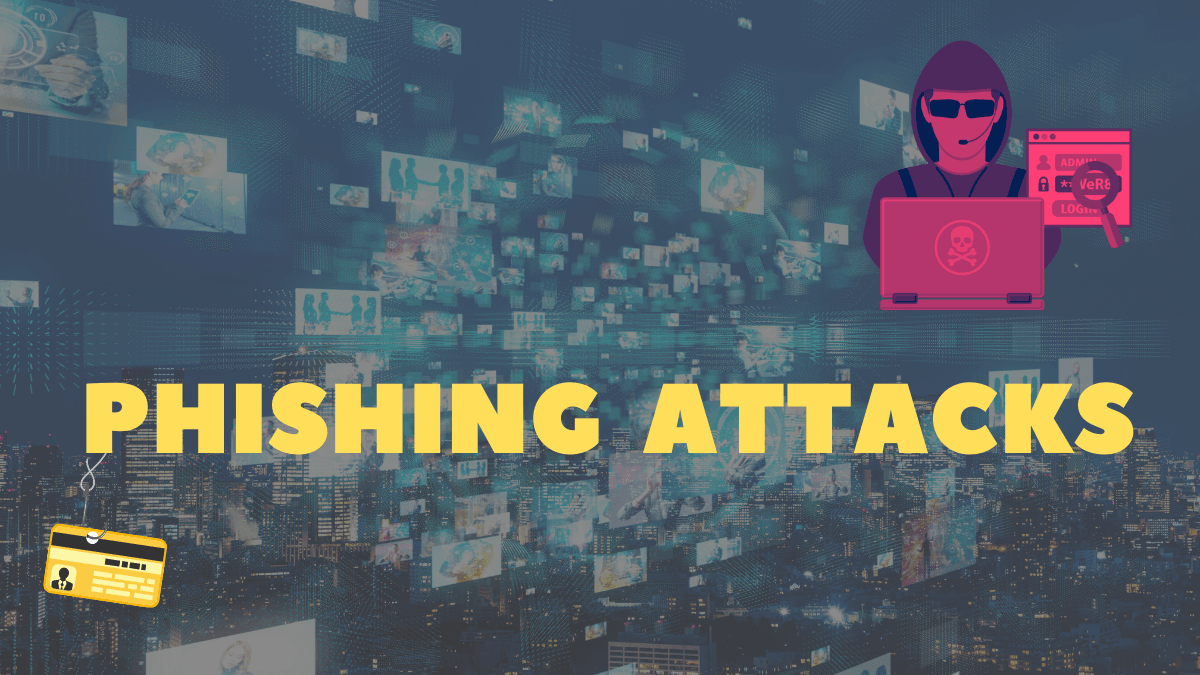
Phishing Attacks: Understanding the Tactics, Strategies, and Impacts of Cybercriminals' Attempts to Steal Your Personal Information and Best Practices for Avoiding Falling Victim to these Deceptive Scams
Phishing attacks are a type of cyber attack where an attacker attempts to trick you into revealing sensitive information, such as login credentials or financial information. The attacker usually sends an email that appears to be from a trusted source, such as a bank or an online retailer, and includes a link to a fake website that mimics the real one. Once you enter your login credentials or other sensitive information on the fake website, the attacker can use that information to steal your identity or money. To avoid falling victim to phishing attacks, it's important to follow these best practices:
Be cautious of unsolicited emails
If you receive an email from an unknown sender or one that you weren't expecting, be cautious. Don't click on any links or download any attachments without verifying their authenticity first.
Verify the sender's identity
If you receive an email from a sender claiming to be from a trusted source, verify their identity before clicking on any links or providing any sensitive information. Look for clues such as the sender's email address and any grammatical or spelling errors in the email.
Don't provide sensitive information
Be cautious of any emails or websites that ask you to provide sensitive information such as your login credentials, social security number, or credit card information. Legitimate companies will never ask you to provide sensitive information via email.
Use strong passwords
Use strong, unique passwords for all of your online accounts. Avoid using the same password across multiple accounts, as this can make it easier for attackers to gain access to your sensitive information.
Keep your software up to date
Make sure that your operating system, web browser, and other software are all up to date with the latest security patches. This can help prevent attackers from exploiting known vulnerabilities in the software.