The Rise of Containerization and Its Impact on Application Deployment
In recent years, containerization has emerged as a revolutionary technology that has transformed the way applications are deployed and managed. The traditional approach of deploying applications on physical or virtual machines has been disrupted by the advent of containers, offering unparalleled agility, scalability, and efficiency. In this article, we will explore the rise of containerization and delve into its profound impact on application deployment.
Introducing Docker: A Game-Changer in the World of Containers
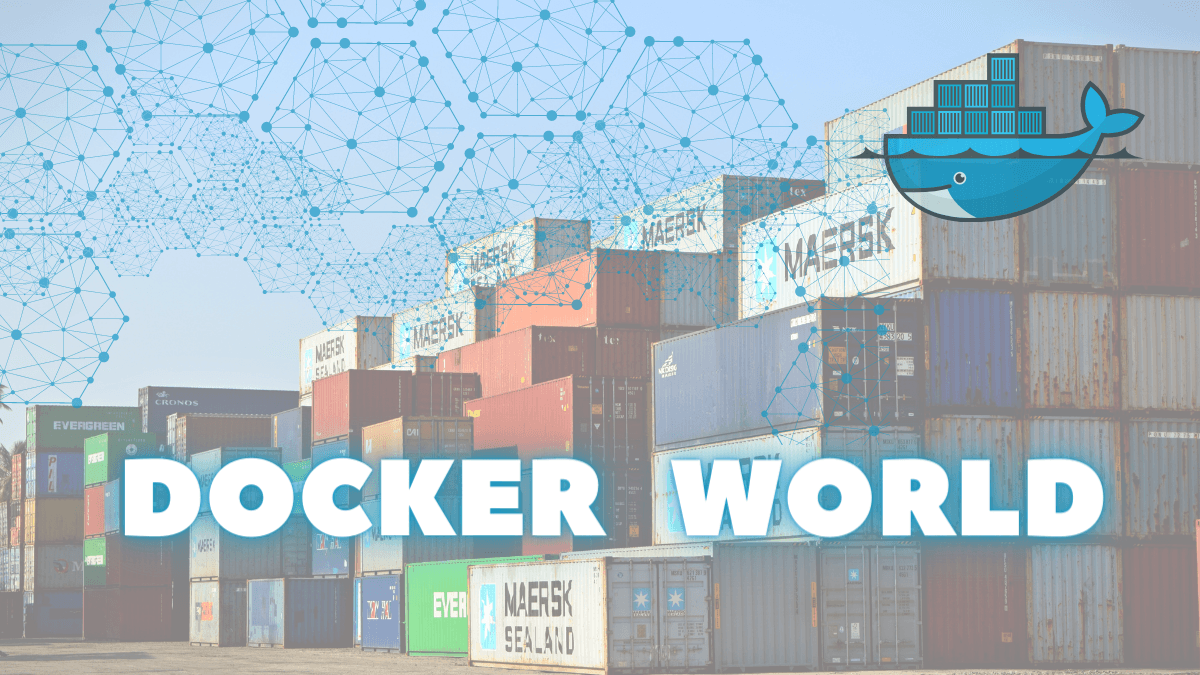
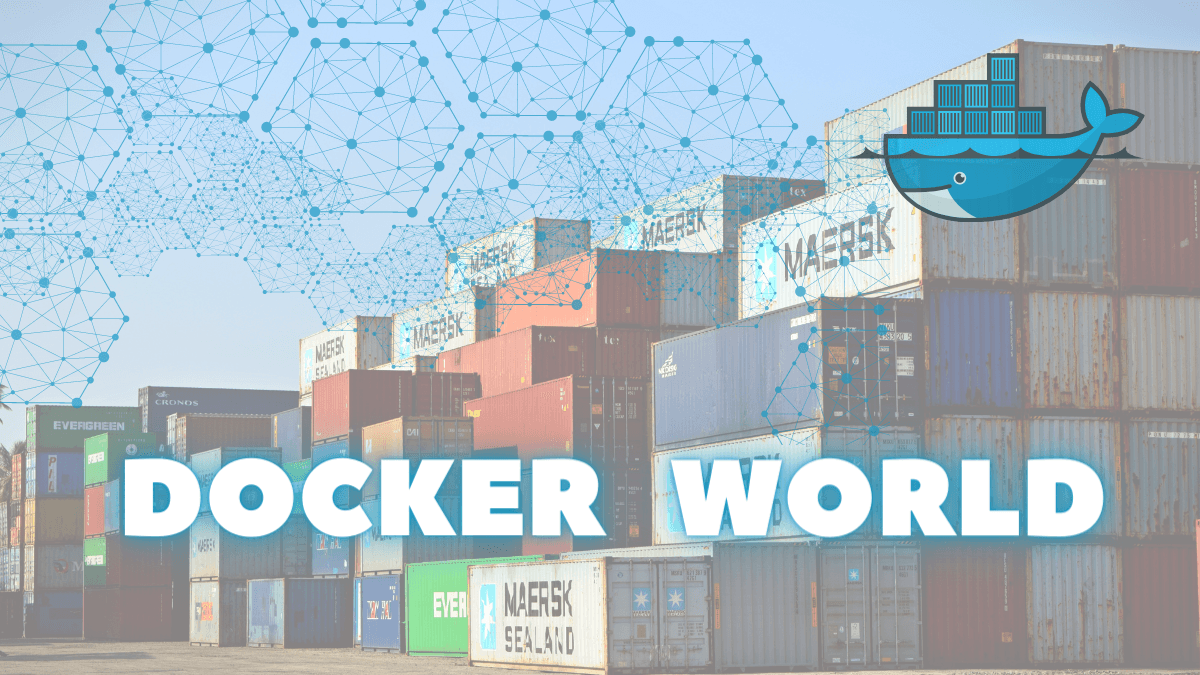
In the realm of containerization, Docker has emerged as a game-changer, revolutionizing the way applications are packaged, deployed, and managed. Docker provides a powerful and user-friendly platform that simplifies the process of containerization, making it accessible to developers, system administrators, and organizations of all sizes.
At its core, Docker is an open-source containerization platform that allows applications and their dependencies to be packaged into lightweight, portable units called containers. These containers encapsulate the application code, libraries, and runtime environment, ensuring consistency and eliminating compatibility issues across different systems.
One of the key advantages of Docker is its ability to abstract away the underlying infrastructure. With Docker, applications can run seamlessly on any host, whether it's a developer's laptop, a test environment, or a production server. This portability and consistency enable developers to confidently deploy applications without worrying about environment-specific configurations or dependencies.
Definition of Containers and Their Benefits
In the realm of software development and deployment, containers have emerged as a transformative technology. Containers are lightweight, standalone units that encapsulate an application and its dependencies, providing an isolated and consistent environment for execution. Unlike traditional approaches, containers do not require a separate operating system for each application, but rather share the host system's kernel, resulting in efficient resource utilization and increased scalability.
The key benefit of containers lies in their portability. Containers provide a standardized and self-contained package that can be easily moved between different environments, such as development, testing, and production. This portability eliminates the "works on my machine" problem, ensuring consistent behavior across the software development lifecycle and reducing deployment-related issues.