Exploring the Advantages of RESTful Web Services over SOAP
Representational State Transfer (REST) is an architectural style for building web services that has become increasingly popular over the past decade. In this article, we will explore the history of RESTful web services, their advantages over SOAP, and best practices for designing and implementing RESTful APIs.
History of RESTful Web Services REST was first introduced in a dissertation by Roy Fielding in 2000. He described REST as an architectural style for distributed hypermedia systems, which was intended to be a more lightweight alternative to the then-dominant SOAP protocol.
RESTful web services gained popularity in the mid-2000s due to the rise of web 2.0 applications and the increasing importance of APIs for integrating disparate systems. In contrast to SOAP, which uses a complex XML messaging format, RESTful web services use simple HTTP messages and can be accessed using standard web technologies such as HTTP, HTML, and JSON.
Advantages of RESTful Web Services
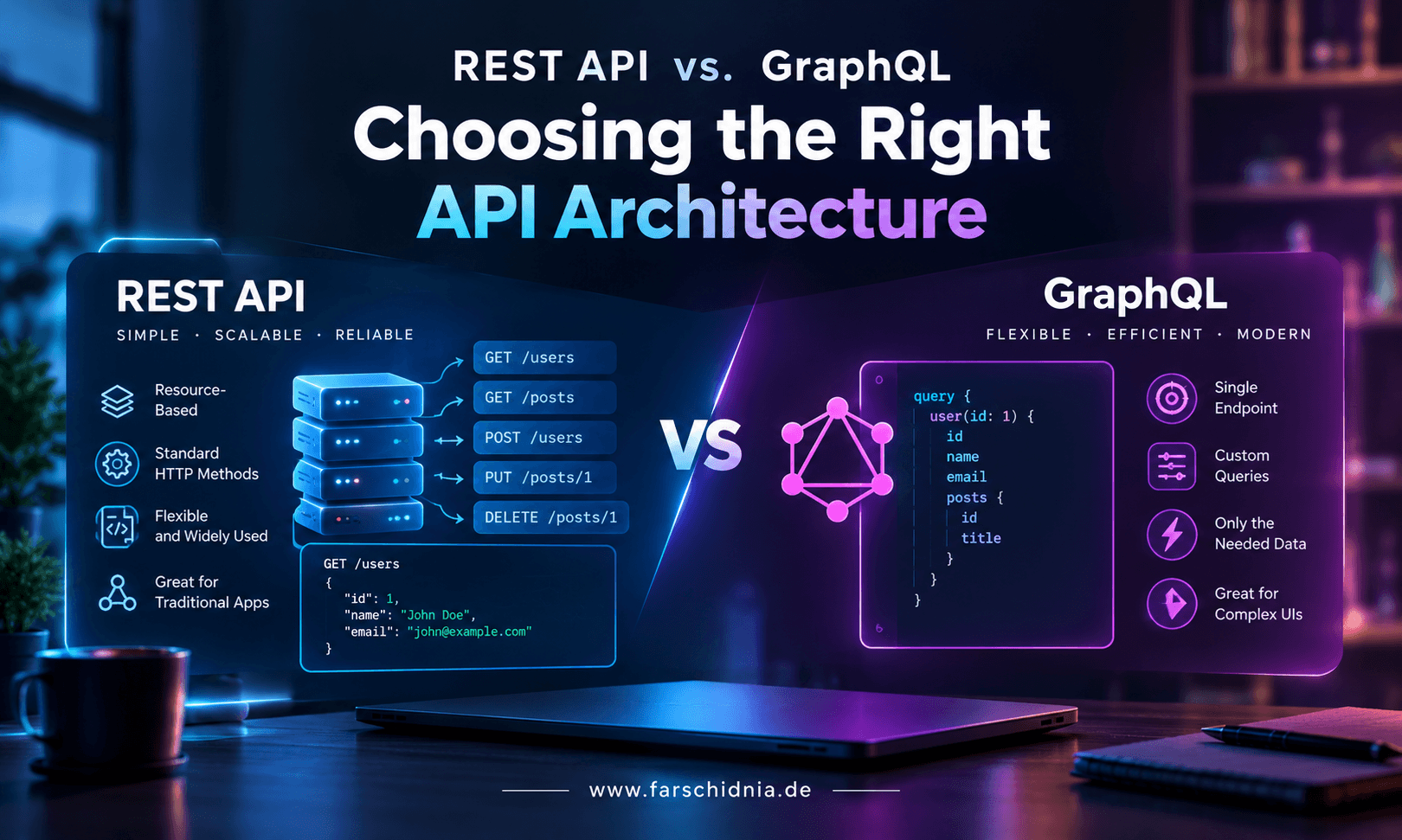
One of the main advantages of RESTful web services is their simplicity and ease of use. Because RESTful web services use standard HTTP methods such as GET, POST, PUT, and DELETE, developers can use existing tools and libraries to work with them. In contrast, SOAP requires more complex messaging formats and often requires specialized tooling.
Another advantage of RESTful web services is their scalability. Because RESTful web services are stateless, they can be easily load balanced and scaled out to handle large numbers of requests. This is in contrast to SOAP, which often requires complex session management and can be more difficult to scale.
RESTful web services also have strong support for caching and can be easily integrated with content delivery networks (CDNs) for improved performance. Because each resource in a RESTful API is identified by a unique URI, the same resource can be cached by multiple clients, reducing server load and improving response times.
In addition, RESTful web services are more flexible than SOAP. Because RESTful web services use simple HTTP messages, they can be easily consumed by a wide range of clients, including web browsers, mobile devices, and IoT devices. This makes RESTful web services ideal for building APIs that can be used by a variety of different clients.
Comparing REST and SOAP
SOAP was the dominant protocol for building web services in the early 2000s, but it has been largely supplanted by RESTful web services in recent years. There are several key differences between REST and SOAP, including: